

Unpaid directors still face new tax return reporting
HMRC has clarified that company directors who are already required to submit a self-assessment tax return must provide details of their directorships for 2025/26 even where they received no salary, benefits or dividends. Directors of dormant companies can also be caught. What do you need to know?
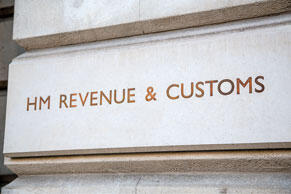
HMRC’s latest Agent Update confirms that a separate employment section should generally be completed for each UK company directorship. This applies even where there was no remuneration or shareholding during the year. The rules do not mean that somebody must register for self-assessment simply because they are a company director. They apply where the individual already has to submit a tax return for another reason. However, once a return is required, the additional director information must be provided.
There are additional requirements where the company is a close company, which will include most owner-managed companies. Directors may have to provide information including dividends received from the company and their percentage shareholding. HMRC has confirmed that the requirements can apply even where the relevant figure is zero and where the company was dormant.
There is an exception for directors of registered charities and community interest companies where they did not receive, or become entitled to receive, employment income, dividends or other distributions from the company or a connected company. HMRC updated its self-assessment return guidance during September to reflect the new requirements.
A practical problem arises for people with numerous directorships because some online filing systems restrict the number of employment pages available. HMRC now says taxpayers should use the available pages first for employments or directorships involving income, benefits, expenses or other employment entries, and put details of any remaining directorships in the additional information section.
HMRC says it will take a “considered approach” to compliance, taking account of reasonable efforts made to meet the new requirements while guidance and filing systems bed in. Nevertheless, anyone preparing a 2025/26 return should make sure that unpaid and dormant-company directorships have not been overlooked simply because nothing was received from the company.
Related Topics
-
Payment deadline for corporation tax
-
HMRC targets undeclared consultancy income in the medical sector
HMRC is writing to people working in the medical sector where information supplied by private healthcare providers suggests that consultancy fees may have been omitted from their tax returns. Recipients have 30 days to check their position and respond. What should you do if you get a letter?
-
MONTHLY FOCUS: BUSINESS AND AGRICULTURAL PROPERTY RELIEF: WHAT DO THE NEW IHT RULES MEAN FOR YOU?
The inheritance tax treatment of businesses and farms changed fundamentally from 6 April 2026. The amount that can qualify for 100% business property relief and agricultural property relief is now capped, potentially leaving families with a significant tax bill for the first time. What has changed, and what should business owners and farmers be doing about it?




 This website uses both its own and third-party cookies to analyze our services and navigation on our website in order to improve its contents (analytical purposes: measure visits and sources of web traffic). The legal basis is the consent of the user, except in the case of basic cookies, which are essential to navigate this website.